Our vision is a cleaner environment and lifestyle. Yikes. A big fish to fry…
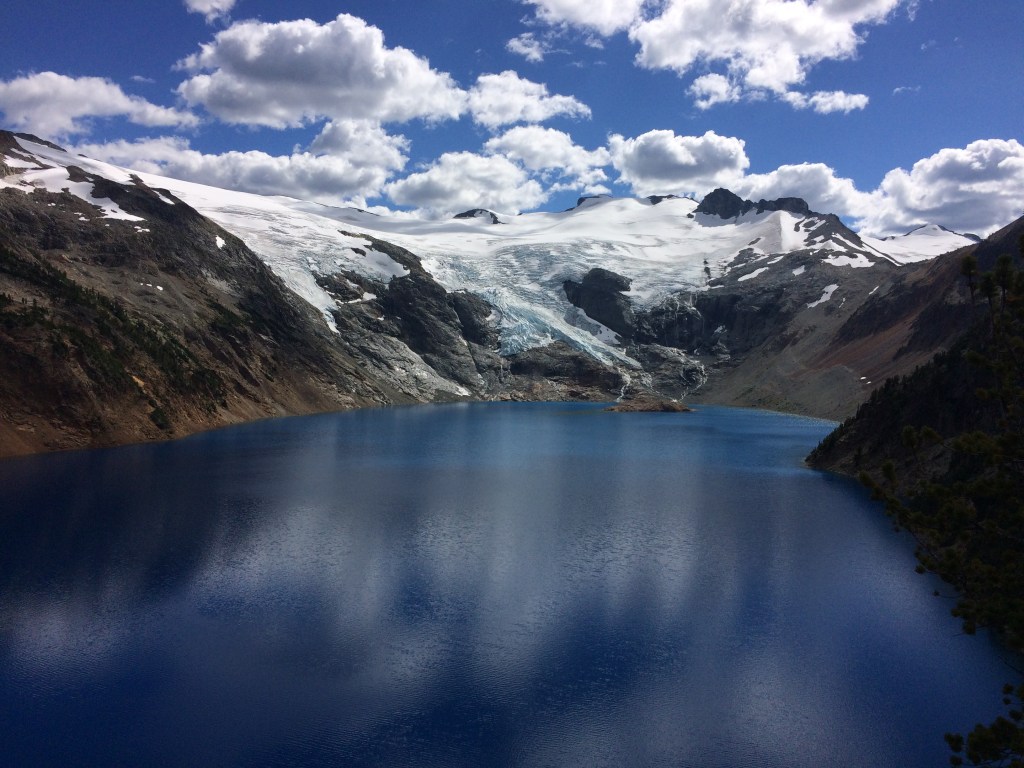
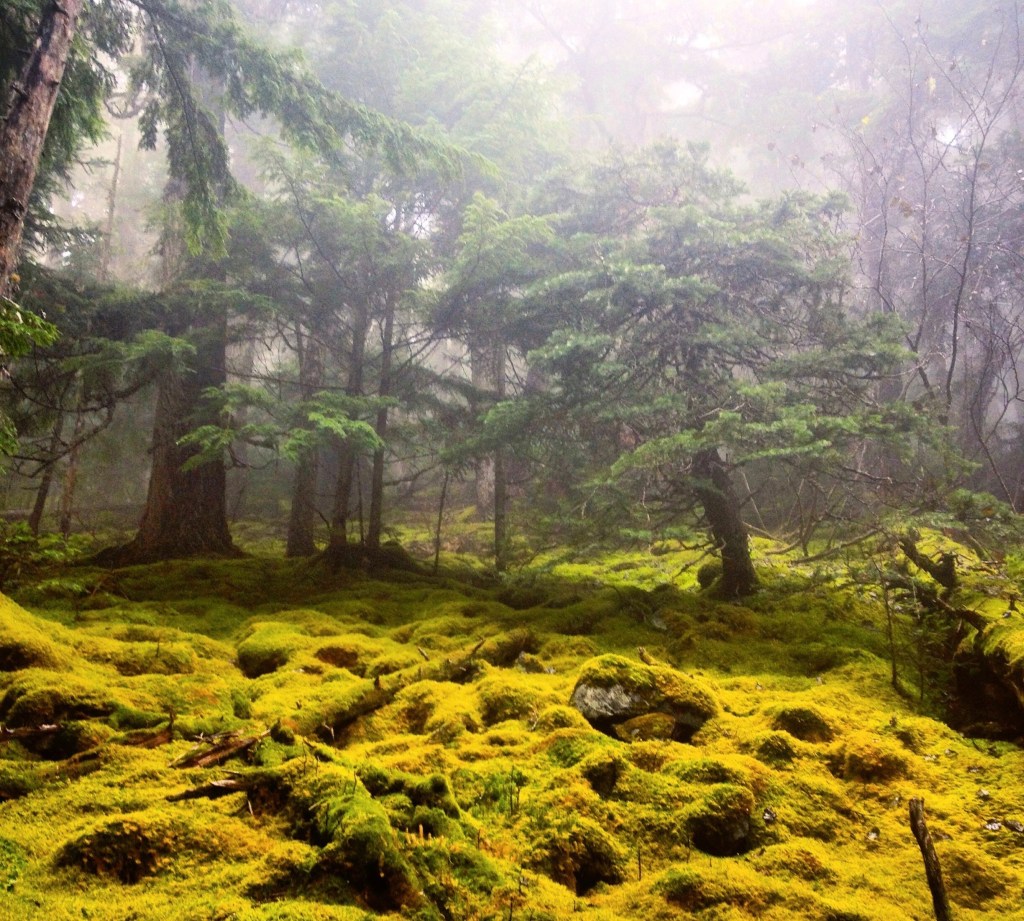
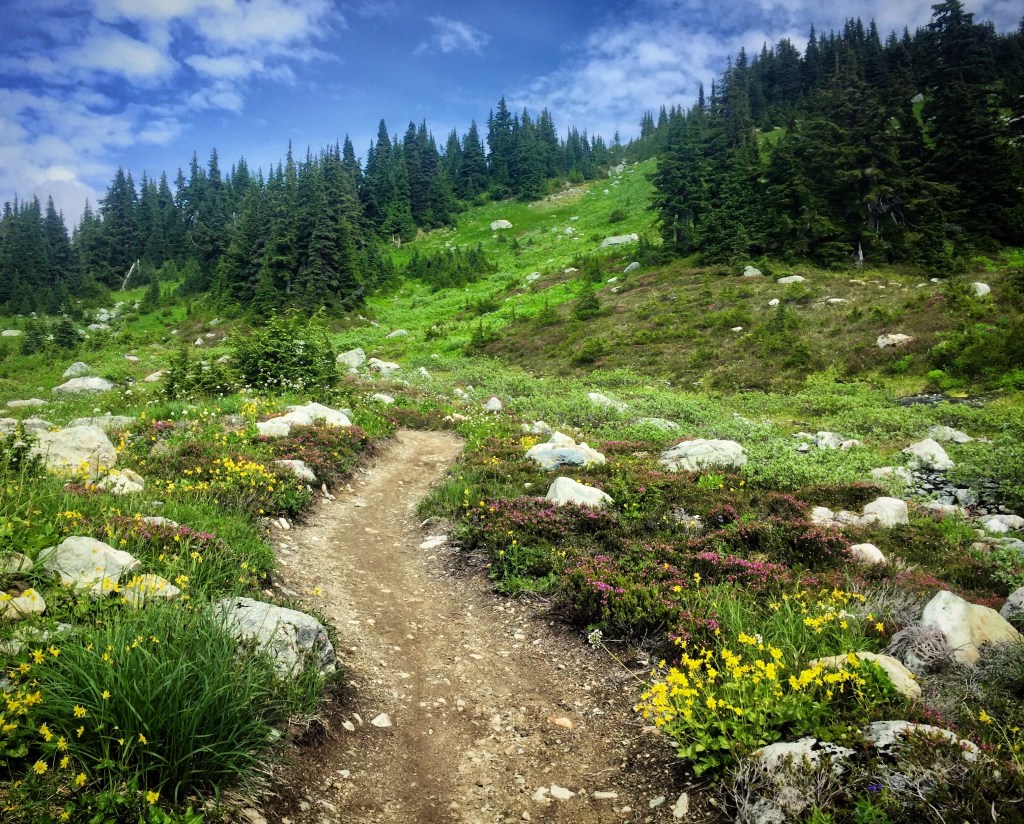
Getting started requires motivation and for us this involved connecting with nature. As we ventured into incredible places we gained further appreciation for their natural beauty. From mighty glaciers to moss-covered forest floors we fell in love with it all.
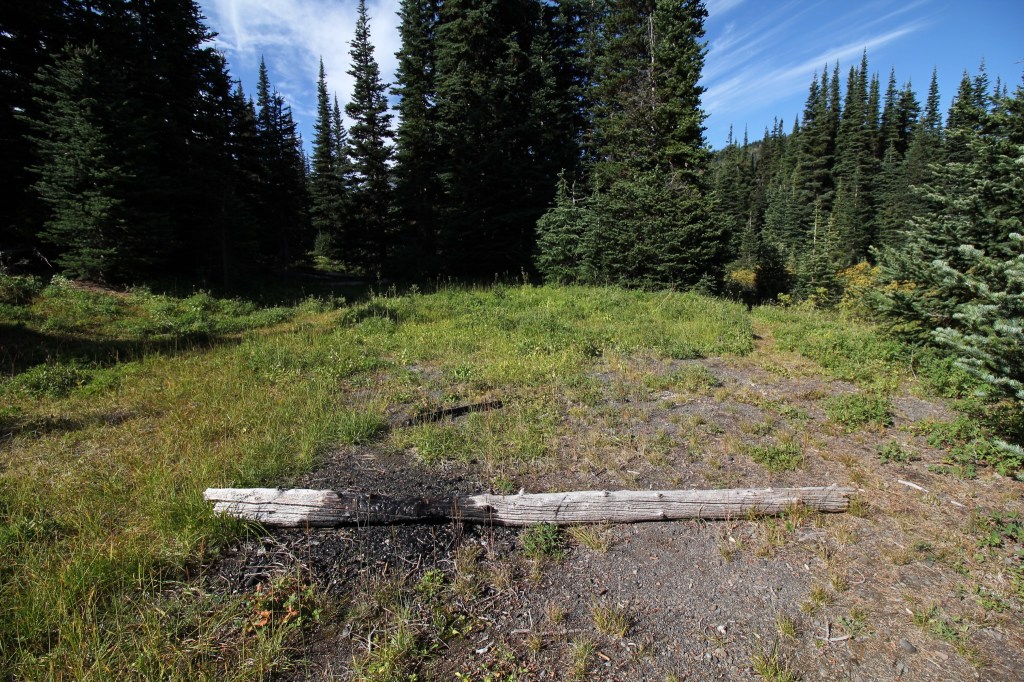
Terminology like stewardship started to make sense when some of these places got busier and we’d notice garbage or campfire scars left behind. The raw beauty we’d come for was noticeably degraded and we felt obligated to do something about it.
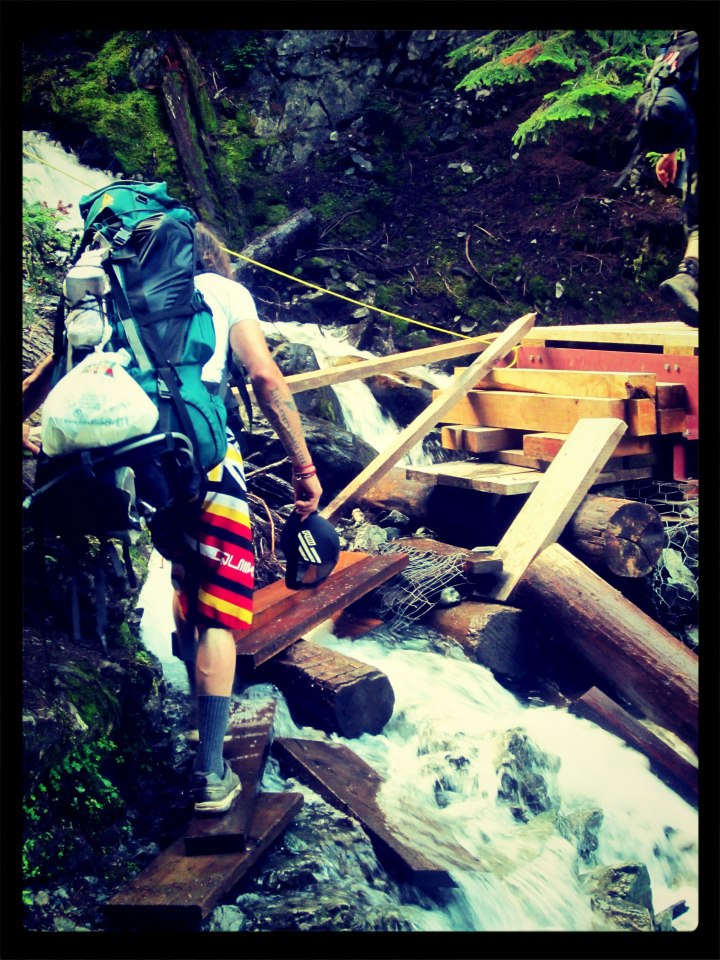
“Cleaning up” started with trail-side garbage and evolved from there. Having a plastic bag in your pack helps re-use that bag and clean up the process. Knowing you did the right thing and recycled something that otherwise would be trash is payment in itself. That feels good and is a simple start.
More importantly, an improved trail-side appearance leaves behind an environment seemingly more deserving of preservation. The next hiker may think twice before discarding their rubbish if they have not seen examples of bad behavior. This extends the reach of a simple task and adds value.
The world as a whole is slowly buying into the reality of what we’re doing to this place. Acknowledging the need for change is surely the first step. Images of a harbor in countries with no waste management are perhaps the most obvious indicators. Here we can physically see our garbage floating where it shouldn’t.
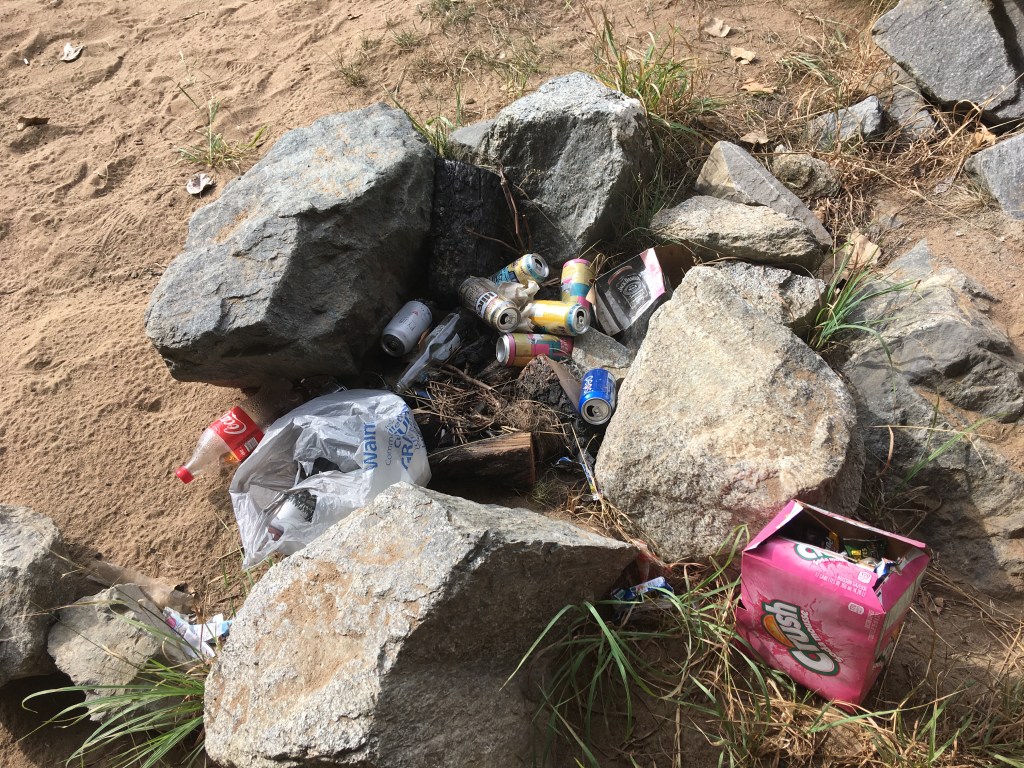
The importance here is to acknowledge the issue, and more importantly not to be a passenger. Our problem is bigger than the sum of “my” efforts, sure. This psychology is dangerous, can create a passenger, and is partially to blame for where we are. The problem is not, however, bigger than the sum of “our” efforts.
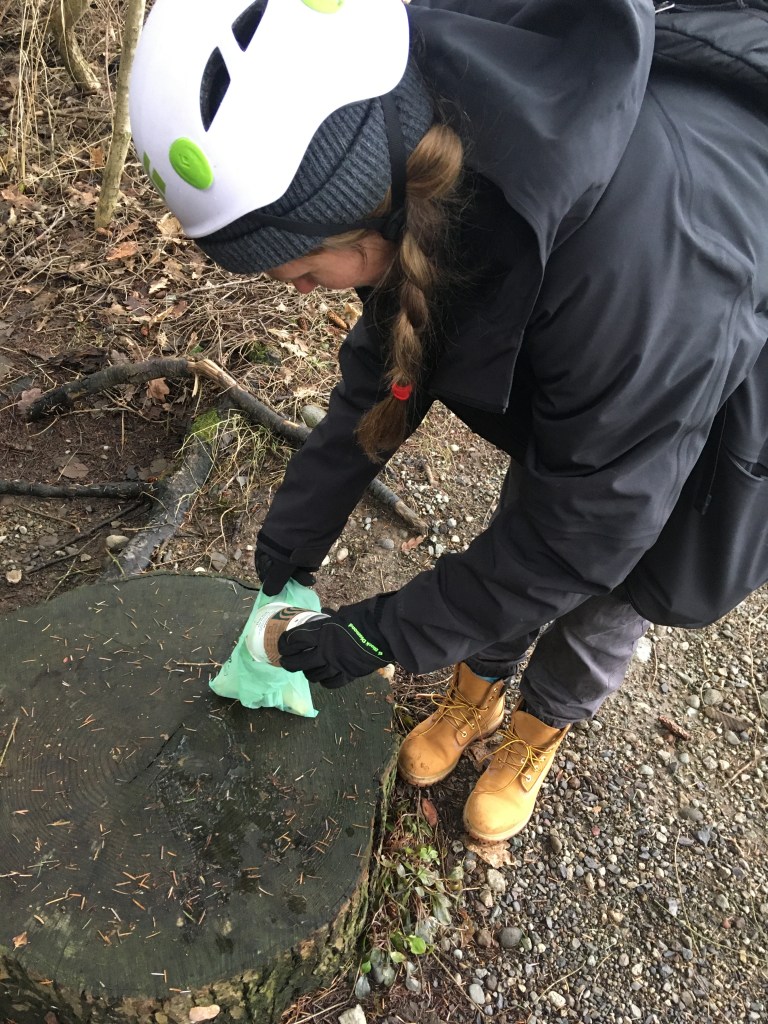
This thought helps us stop our hike or bike if there’s room in the pack for that trash. The thought of “our” efforts can bring more purpose to recycling that one can.
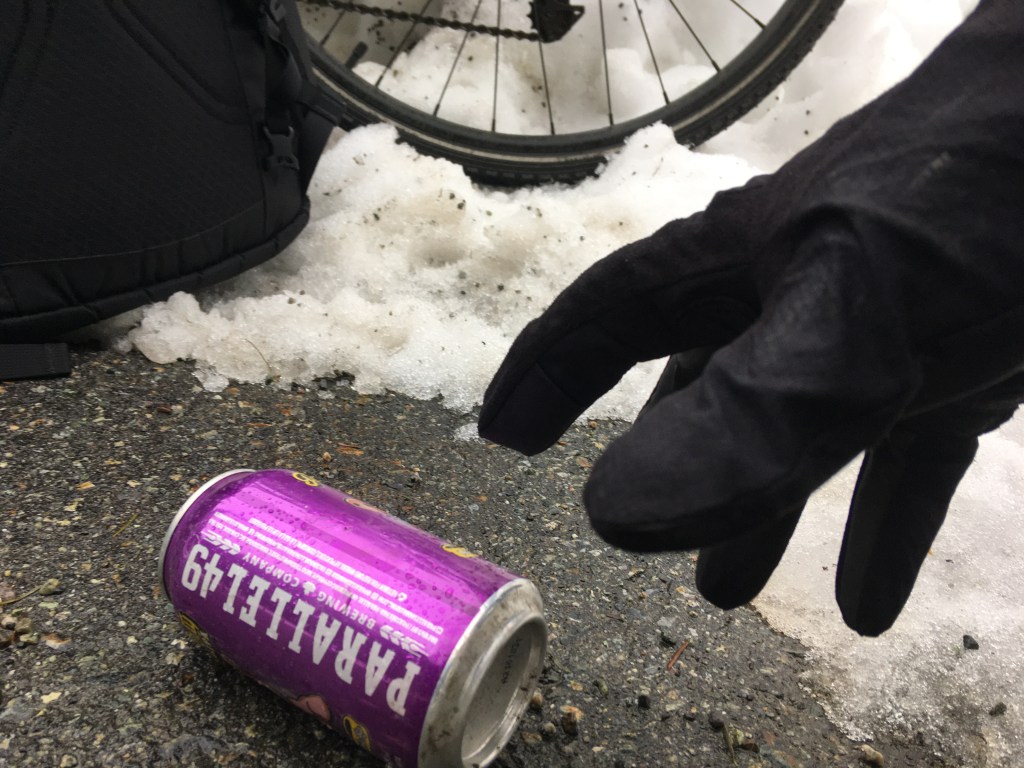
Perhaps this team psychology can make it feel like a crate of cans were kept from the harbor instead of just one.
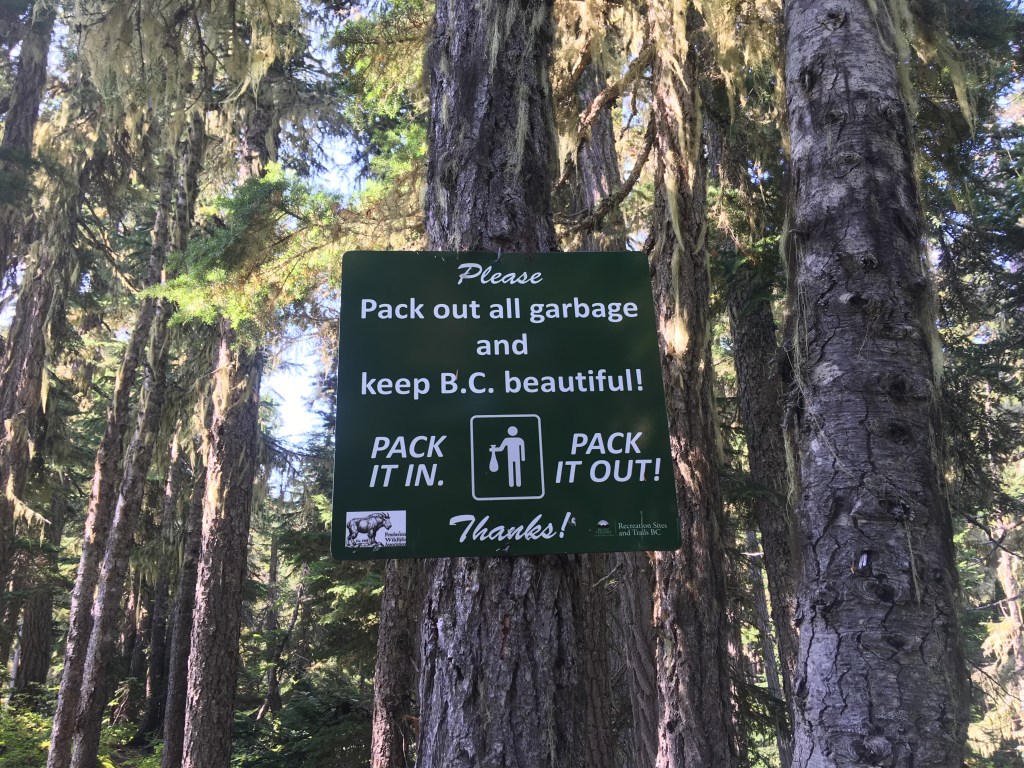
At very least, acknowledgement, and a decisive step into the drivers seat starts a relationship with the solution. This, again, will look different for everyone as we step out from under our various rocks. Perhaps you were raised by a family that does not recycle or compost. Implementing this practice in your household may seem like child’s-play to an off-grid homesteader but given the starting point this is a colossal win.
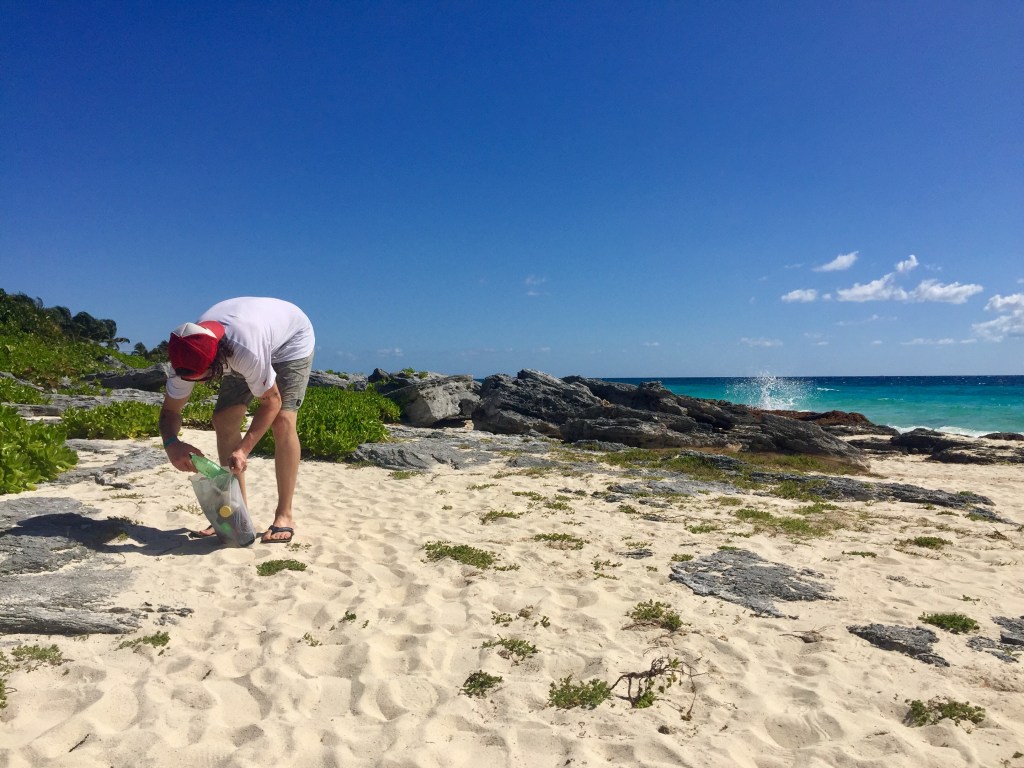
Maybe some are eating less fast food trying to cut waste and single use items while improving health. Maybe others have cut fast food altogether and are exploring further extremes like cutting out meat. Research on this industry is worthy but the point is that both examples are on a journey and one is not more important than the other. Both are in the drivers seat and deserving of encouragement.
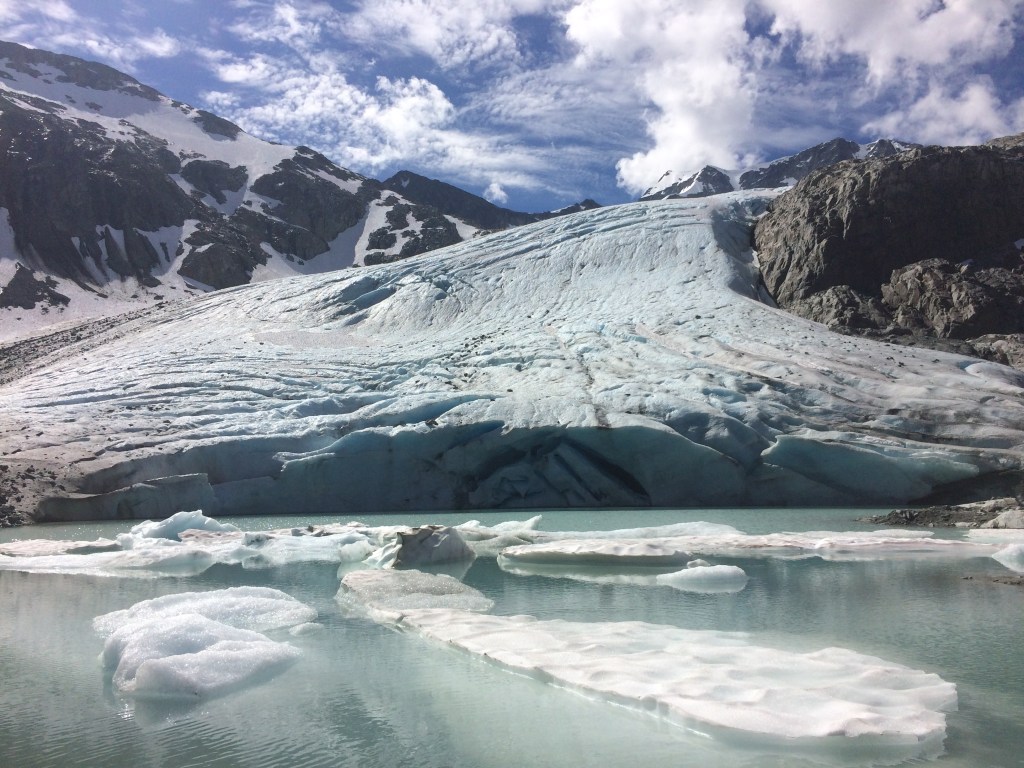
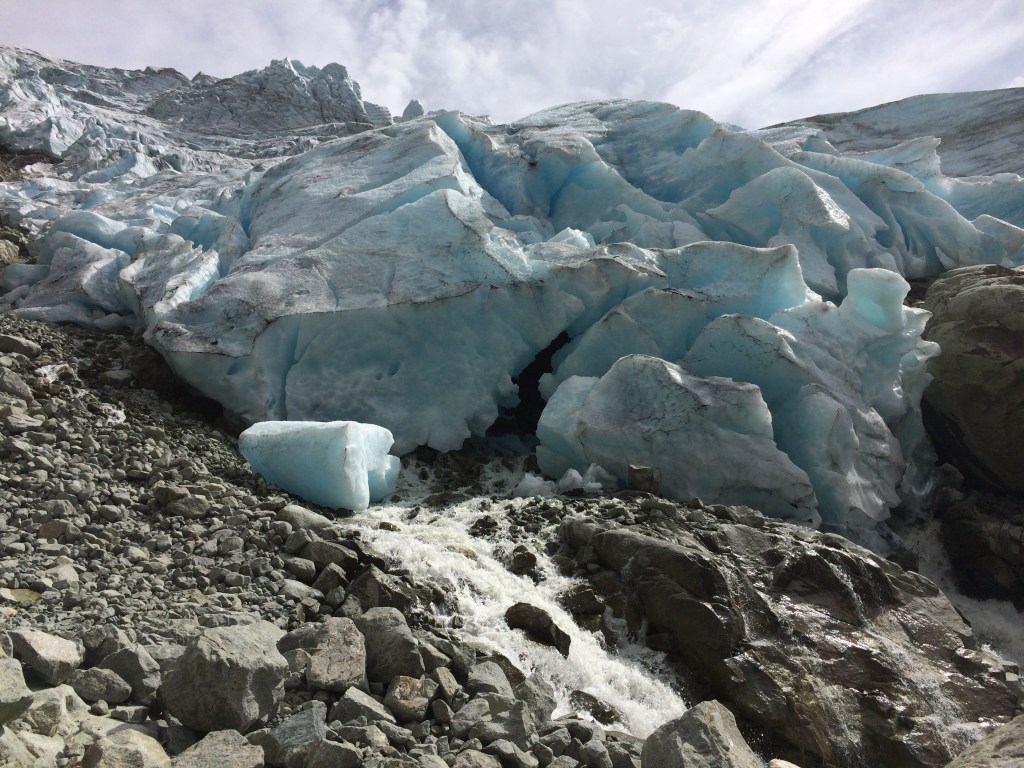
The harbor filled with garbage is blatantly obvious but warming temperatures are another indication that our problems are bigger than just waste. Exposure to glacier recession paints this picture well. The intensifying severity and duration of fire seasons in places like B.C. or Australia are a couple more clear examples. How we make a difference here is certainly another challenge.
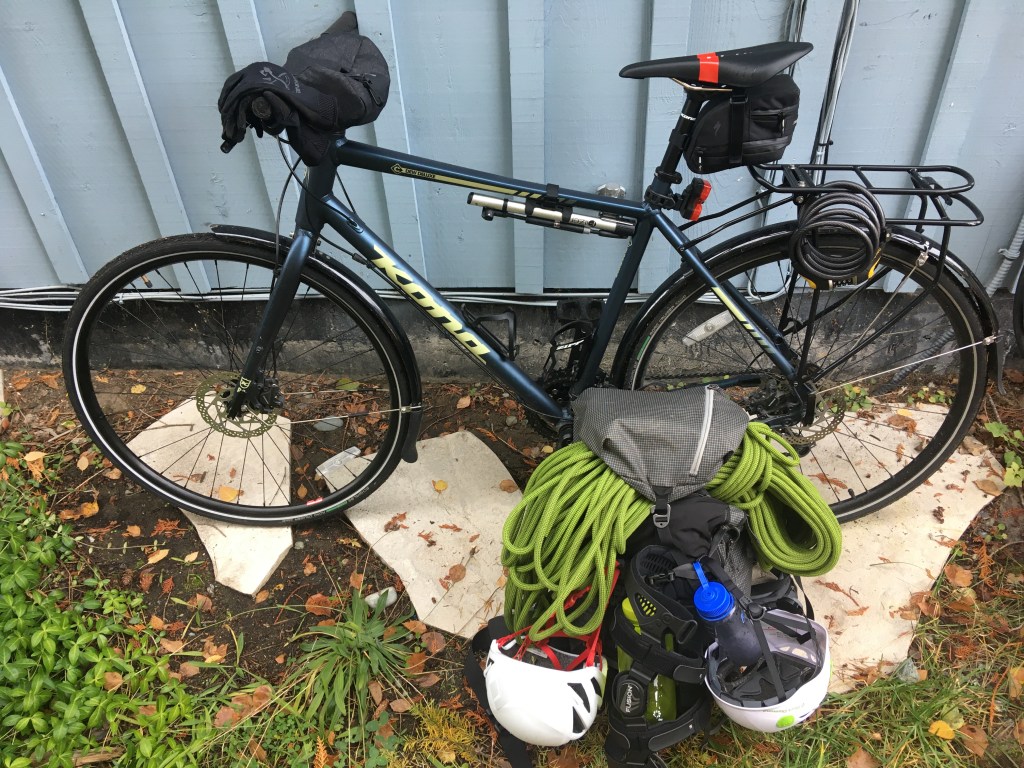
Our use of energy, water, packaging and deforestation all play big roles regarding the planet’s health. Considering transportation options is important. Going electric, public transit, or carpooling are some fine approaches. Walking or biking are more great examples we use daily. Placing value on choosing objectives or consuming within a closer range is another solid strategy if possible.
Little changes like turning the lights off, lowering the thermostat, or planting a tree add up quick…especially as a team! There’s companies who plant trees for each article of clothing purchased or have exceptional material sourcing/recycling programs. Some even donate to various environmental organizations focused on things like restoration, sustainable energy, or the protection of land and animal species.
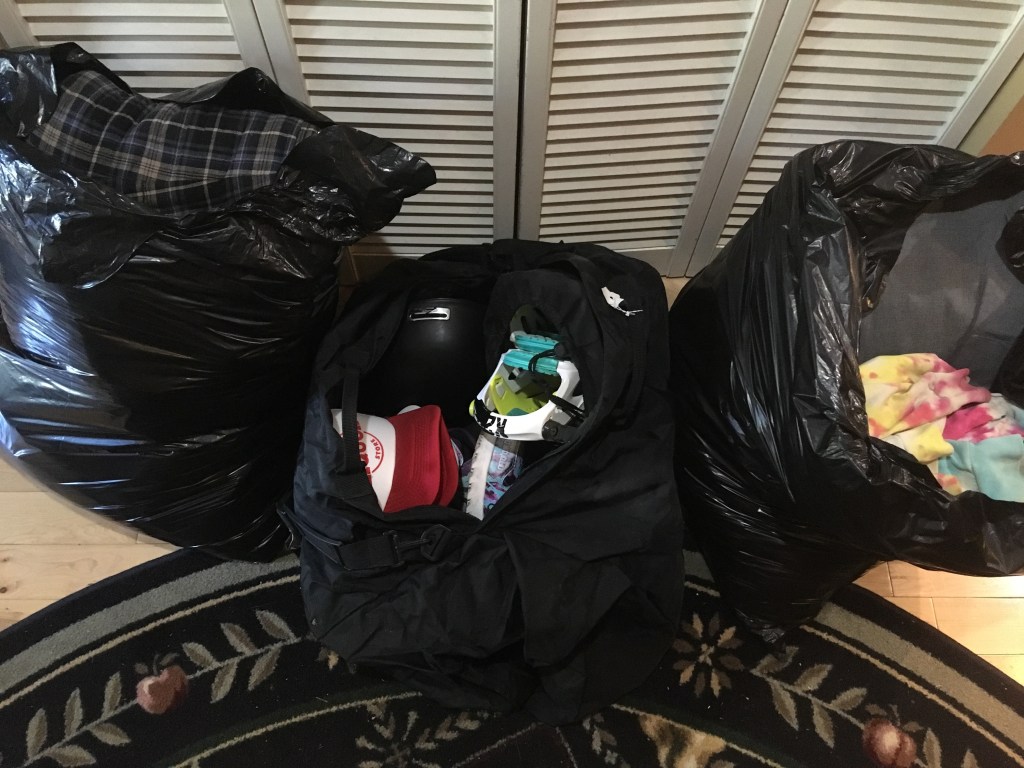
Research can give indication to weather your money will be used for more money or maybe also a shred of good. Extending product life is also key, especially for that fancy gear we don’t need. Using luxuries until they turn to dust is a good way to improve even when compromising. Don’t forget that clothing or bike might be perfect for someone else once your done with it and a Re-Use-It center or “FREE” post may keep it from the trash.
Where to draw the line will be a decision we all need to make. For this piece we will draw it here in fear of overstepping. For some, this may be a bunch of hippy B.S. If that’s the case I doubt you made it this far. For others, our efforts may seem minor and insignificant compared to how you are living. If that’s the case we offer praise and aim to catch up.
Keep stoking the fire!
 Stoking the fire