The importance to preserve that wonderful environment you came to see and play in is paramount. Packing out what you pack in is excellent practice and includes anything and everything you brought with you. Even if your toilet paper is bio-degradable it will still be there when the snow melts making your campsite resemble a garbage bin rather than a pristine natural environment.
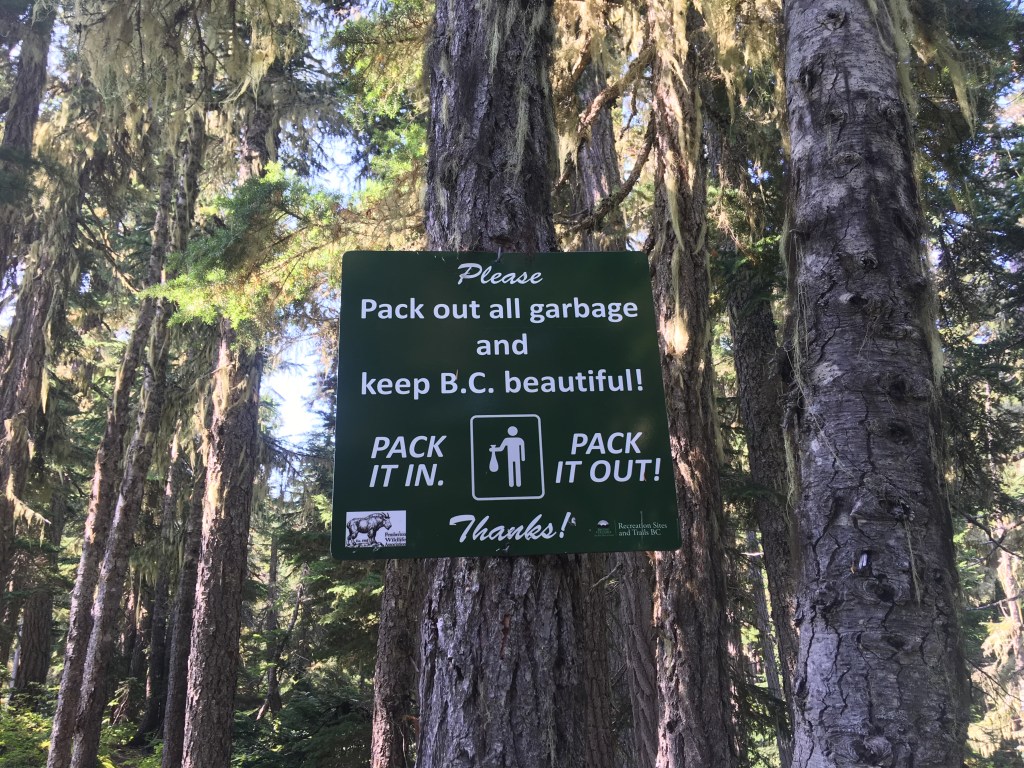
This practice extends past garbage to food scraps and human waste. Regarding food scraps, rinsing dishes with hot water then drinking edible scraps as a warming soup is a welcomed tactic. When possible, exposing dish-ware to sunlight also kills a lot of harmful bacteria.
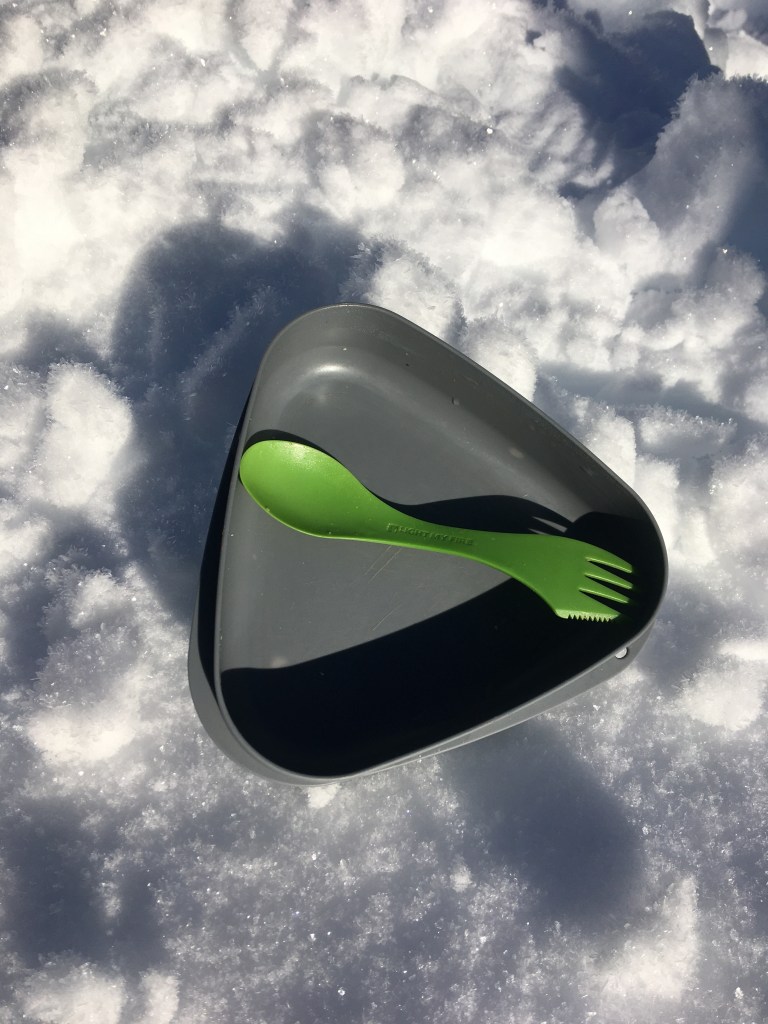
Inedible things like coffee grounds or toothpaste must go into your chosen and ideally leak-proof garbage. Feces cannot be buried adequately in a snow covered landscape so a “Wag Bag” can be employed. What’s that you say?
https://www.nrs.com/product/2737/cleanwaste-wag-bags
Above are solid ways to execute a Pack in Pack out approach but this is just a part of Leaving no trace. Ensuring we do not alter the environment also includes campfire scars, vegetation damage, and even extensive surface snow modification.
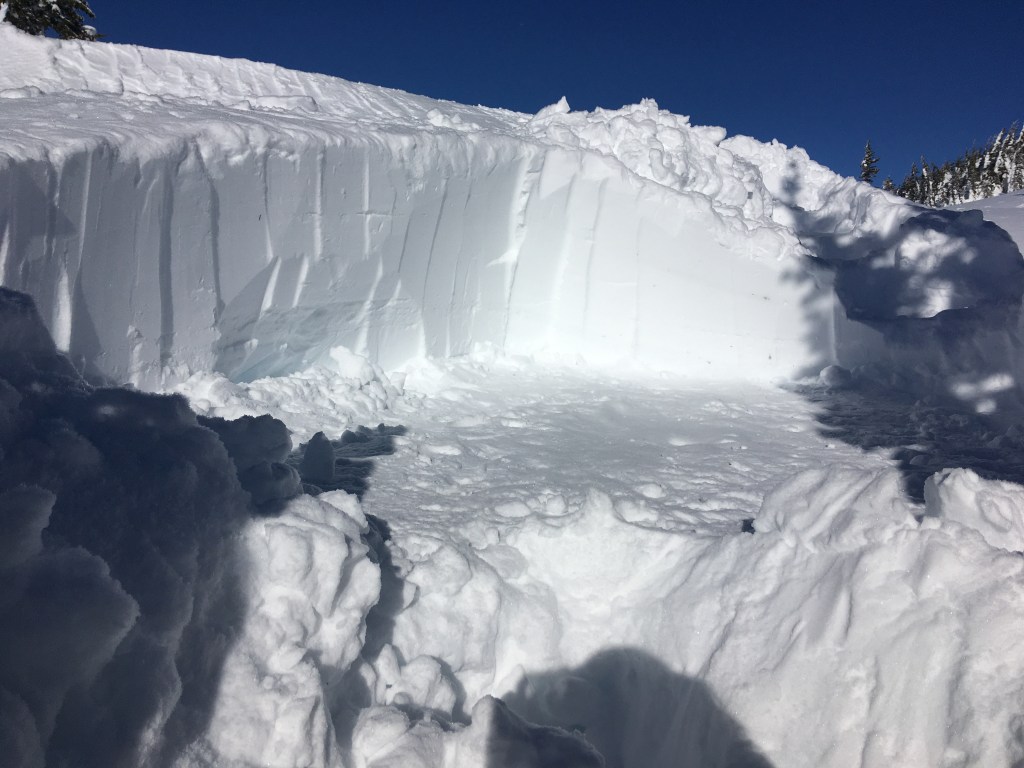
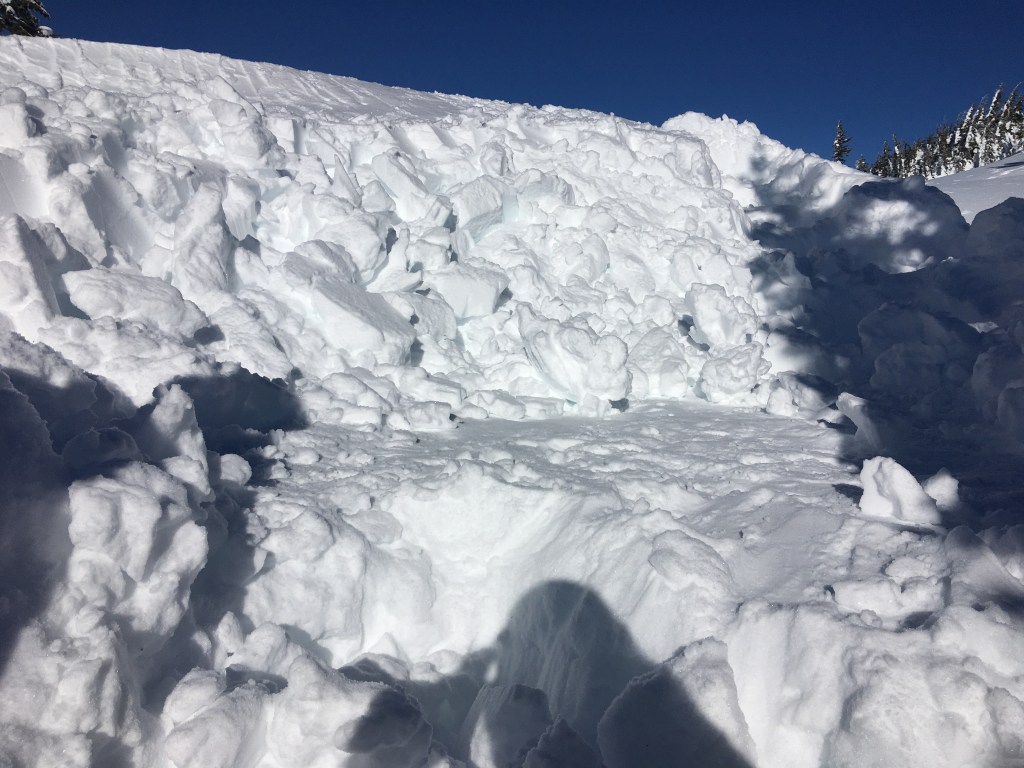
Something like a snow profile pit or tent pad should be filled back in if there is potential to be hazardous or even just an eyesore.
Camping can be difficult, especially in winter. It does not need to be intimidating, however, and there are many ways to make it easier and more comfortable. We aim to share some of our experience in an attempt to expedite your learning curve and hopefully give you the confidence to go for it.
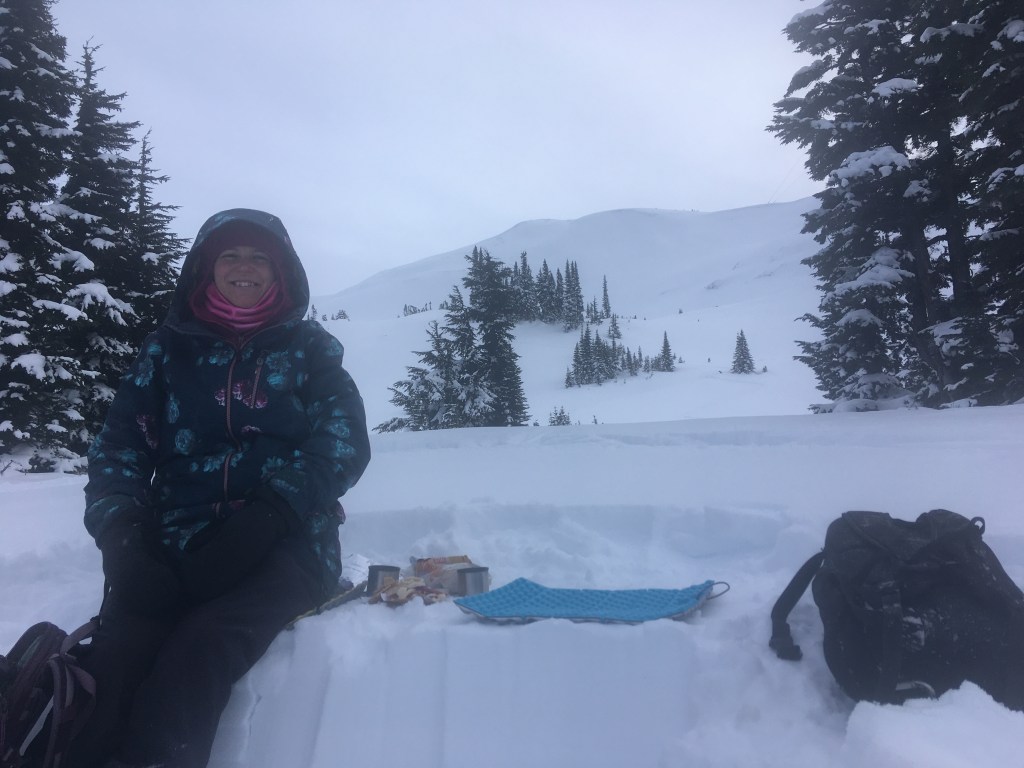
Spending the night is a way to further tune into a natural environment and set yourself up for further exploration and adventure. Perspective and attitude can be altered during this experience and we can often learn something new about ourselves or those around us. The opportunity to step away from the daily grind and change pace is something we seek out at every opportunity.
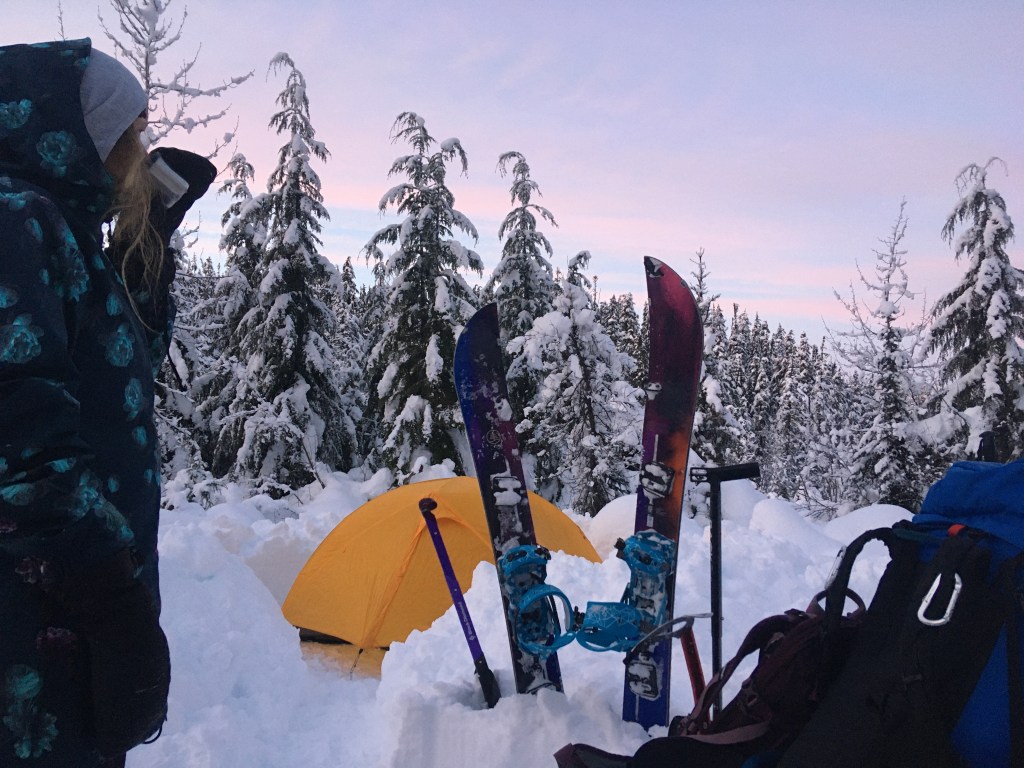
Choosing a suitable objective for your first time is a great start. Some test the waters in their back yard first to get a feel for their equipment and work out the kinks. This is a solid way to learn what to add or take away from your gear list and a ton more responsible than marooning yourself on a glacier as you figure it all out.
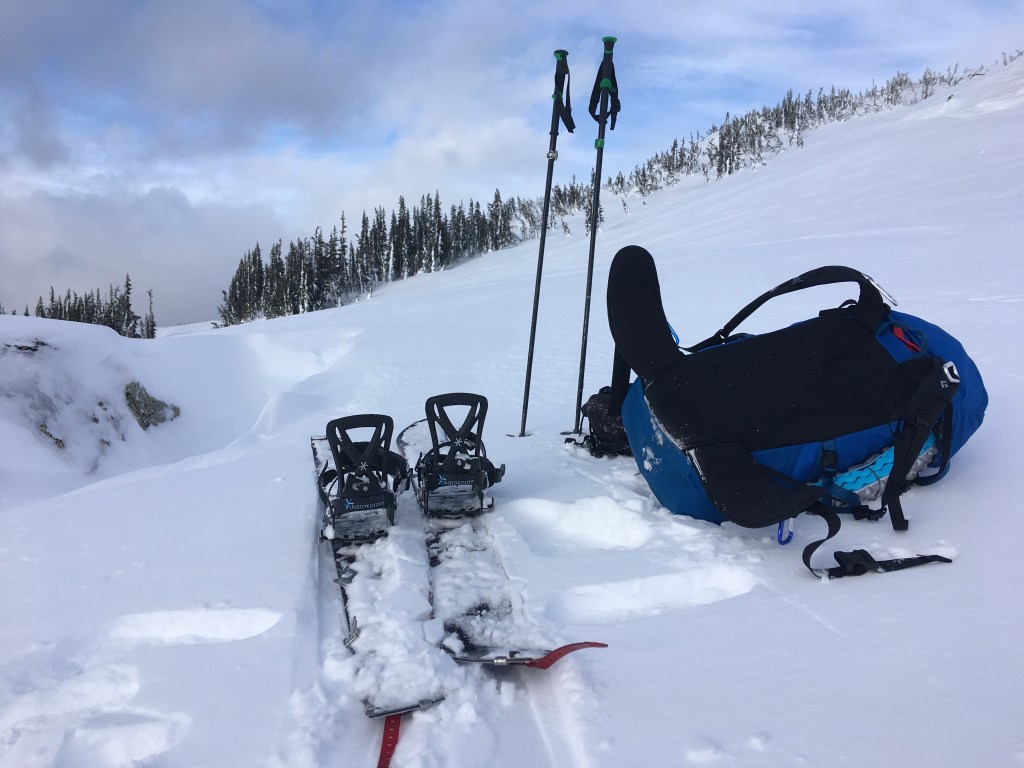
Balancing comfort and your heavy pack is important. Consider sharing the load with your partner in such a manner where one person carries the tent or stove and the other carries food or emergency gear. Ensuring you know how to use the gear you bring is key and a good reason for that backyard test.
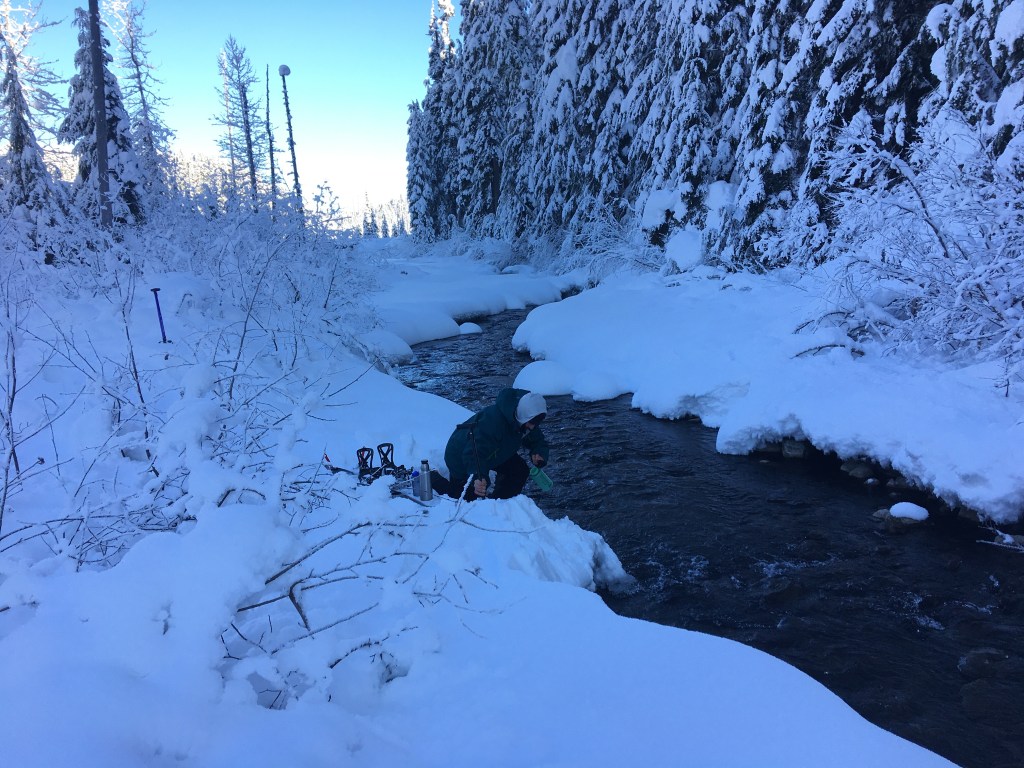
Hydration is huge. Carrying that heavy pack is hard work and even sleeping you lose 1-1.5 lbs of water just breathing. Packing that much water would be back-breaking but strong alternatives exist. Many rivers still flow during winter so planning to tap into that resource is the best option. Depending on the source, you may be fine to drink directly or bring to a boil if in doubt. This will be much more fuel efficient than melting snow.
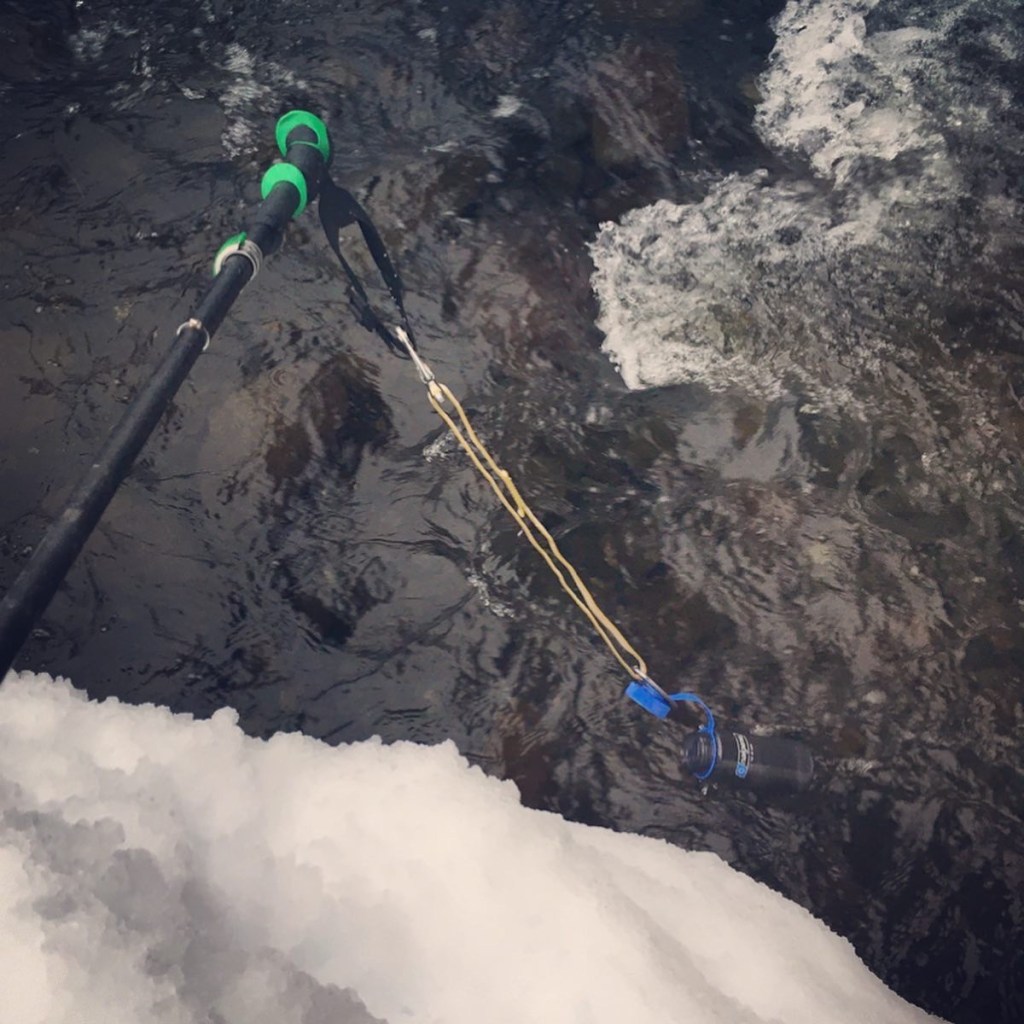
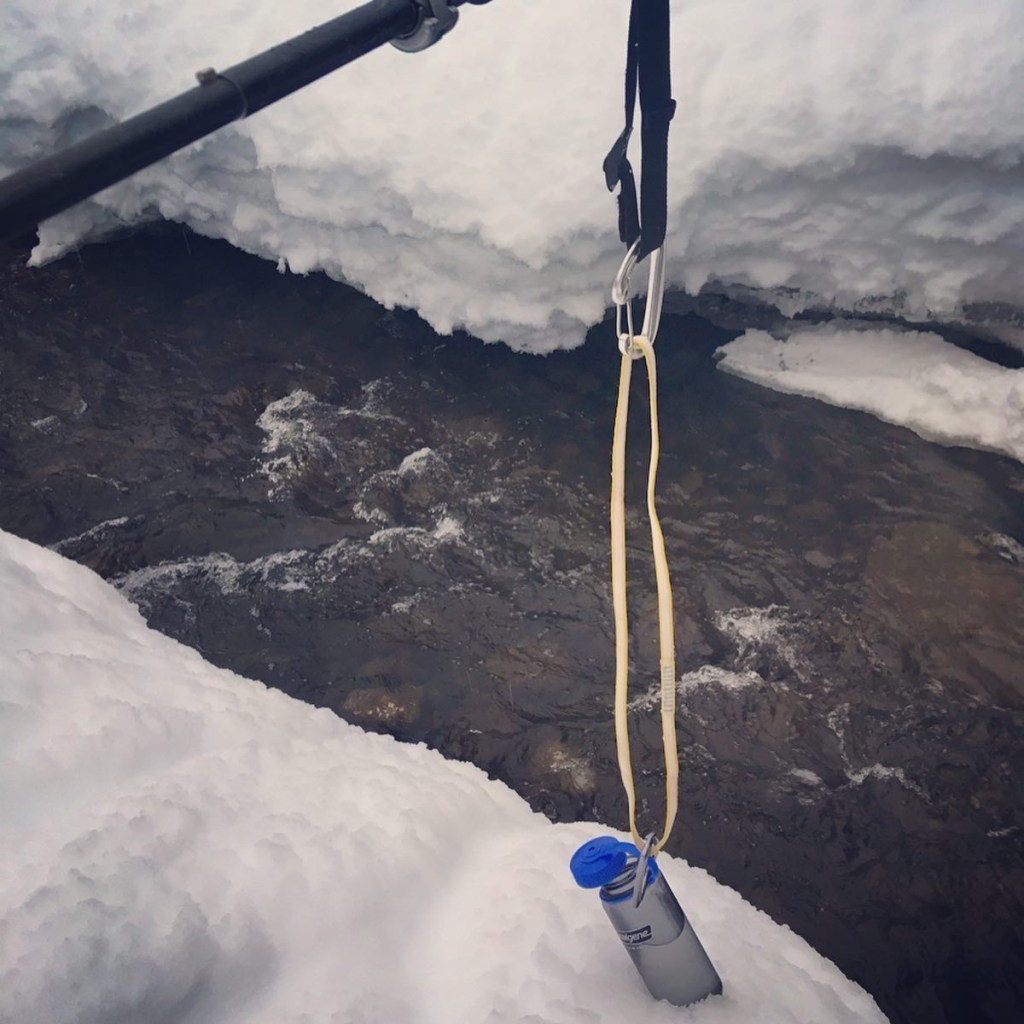
Riverbanks are hazardous and running water often undermines the snow-banks requiring caution. Probing the edge and shoveling access is an option but bringing an alpine quick-draw is a quick and easy way around this challenge.
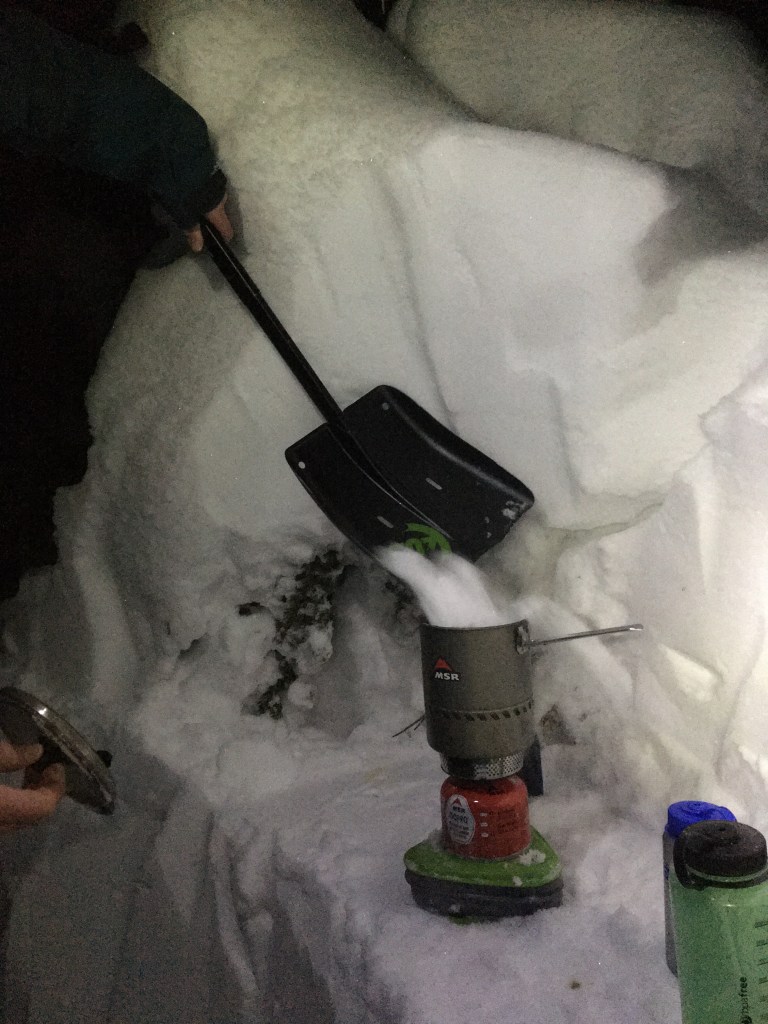
Often there is no running water available at which point melting snow is the game. This is an art which gets easier and again good to practice before heading into the field. Choosing fresh storm snow devoid of needles, old mans beard and animal faces is obvious. Selecting a “kitchen” location sheltered from wind and close to your snow mine is key. Consider the size of your stove in relation to your shovel scoop to avoid unwanted overflow.
A sheltered kitchen will improve comfort but also the efficiency of your stove. Keeping your fuel as warm as possible also drastically increases speed and fuel efficiency. When it’s super cold putting the fuel in your sleeping bag or pants before use can make a big difference. Even transferring body heat by touch can be very effective if tolerable.
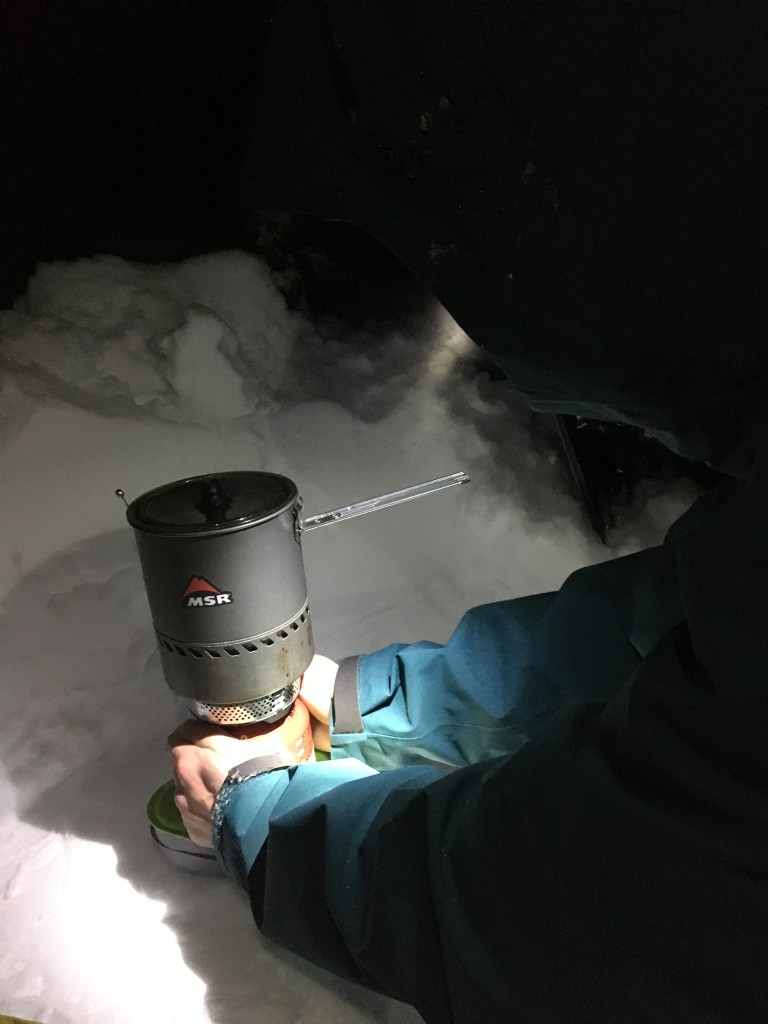
Suitable reservoirs like thermoses are paramount to keep the precious warmth for later and a slice of lemon is a nice touch which can flavor multiple fills. Having hot water on hand can do wonders for moral and your more likely to adequately hydrate if you don’t need to skull cold water. Filling up your nalgene with boiling water before bed and bringing it into your sleeping bag is possibly the most valuable trick of all. This ensures a heater in bed as well as hydration opportunity during the night.
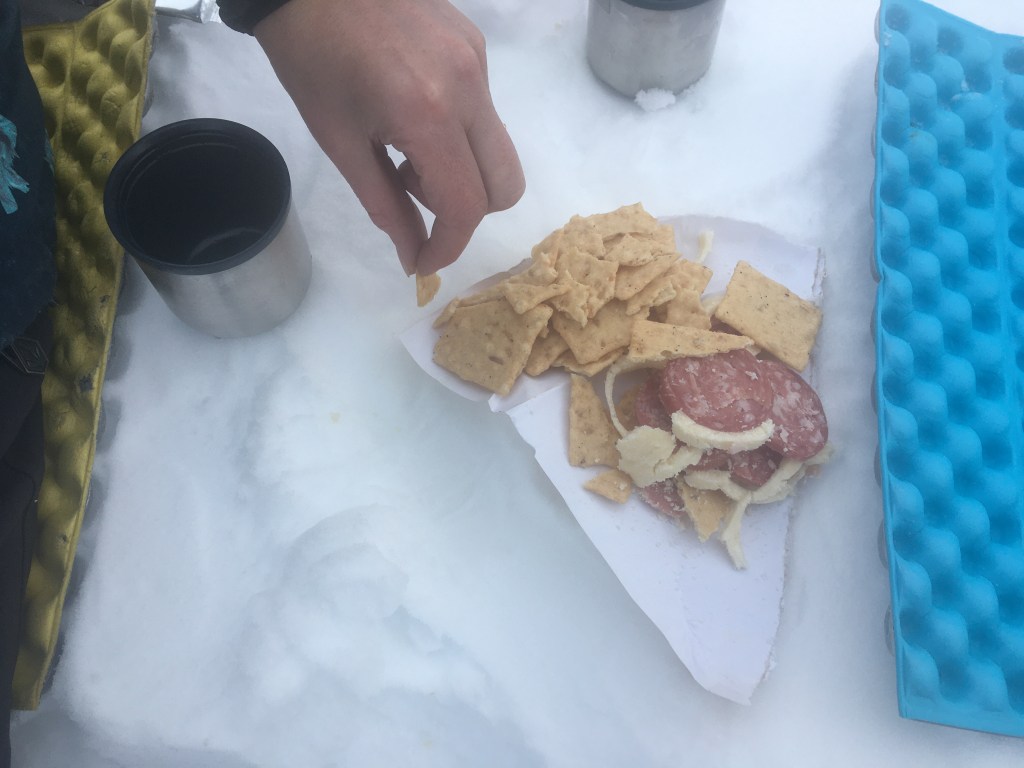
What to eat is a personal choice but make sure you adequately fuel. It is easy to under fuel in the cold and this catches up with you quickly. Efforts to make food easily accessible and taking care of prep like cutting and portioning at home are helpful. Things high in fat like cheese and salami work well for us and mixed nuts are also high on the list.
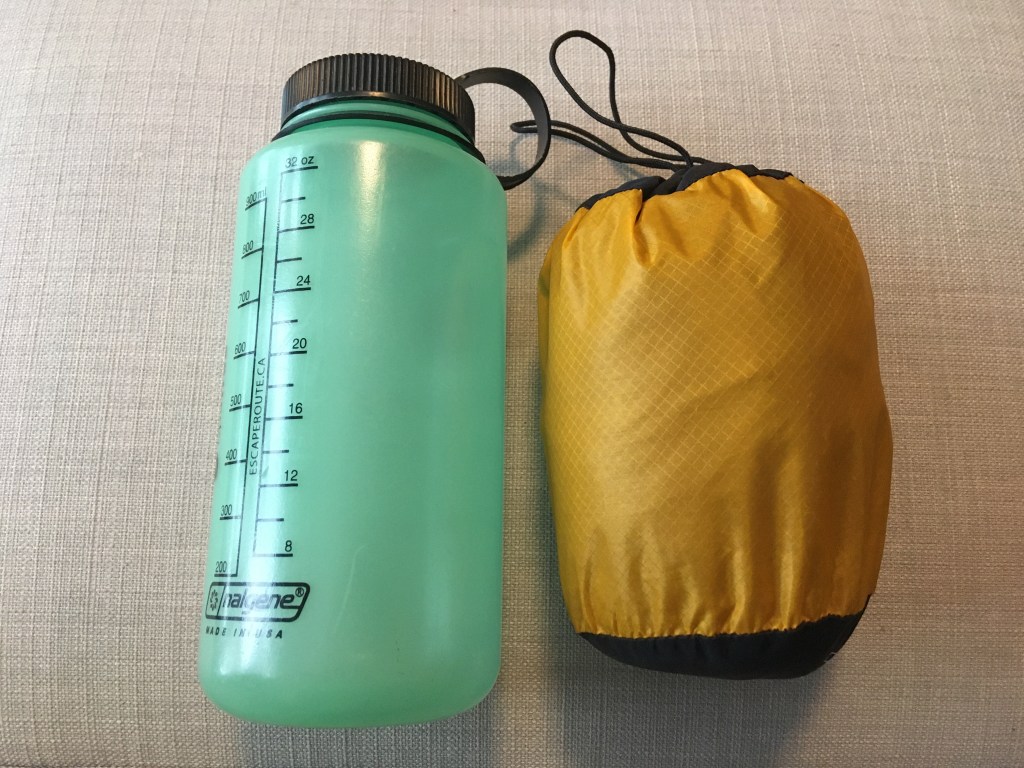
A solid mattress is also essential. Something which is inflatable is commonplace in summer for its pack-ability but air gets cold! Something with additional fill will add separation from the cold and a fire-mans blanket underneath can supplement. A winter rated sleeping bag is another must and a liner or bivy-bag packs very small and adds even more warmth.
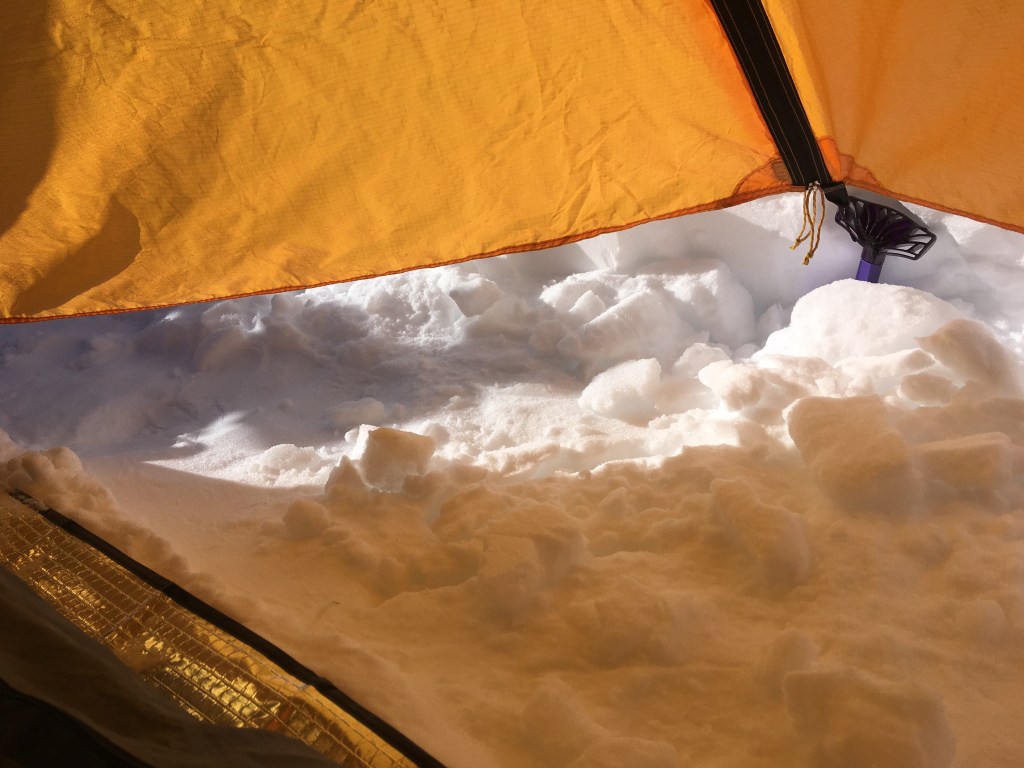
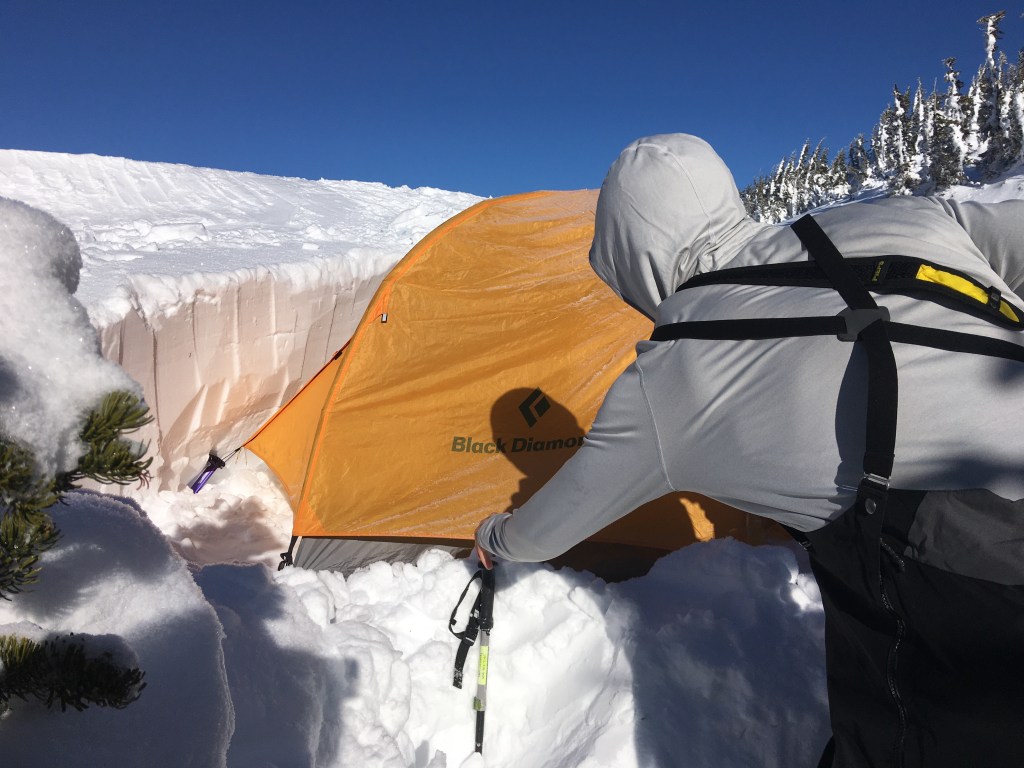
When searching for a winter tent consider a robust fly and weather the frame will support potential snow accumulation. Ventilation is also important when considering water loss during respiration. If this cannot escape it will build up and freeze on your tent walls. For separation, and desire to bring packs inside, we up-size our tent but pay for it when carrying.
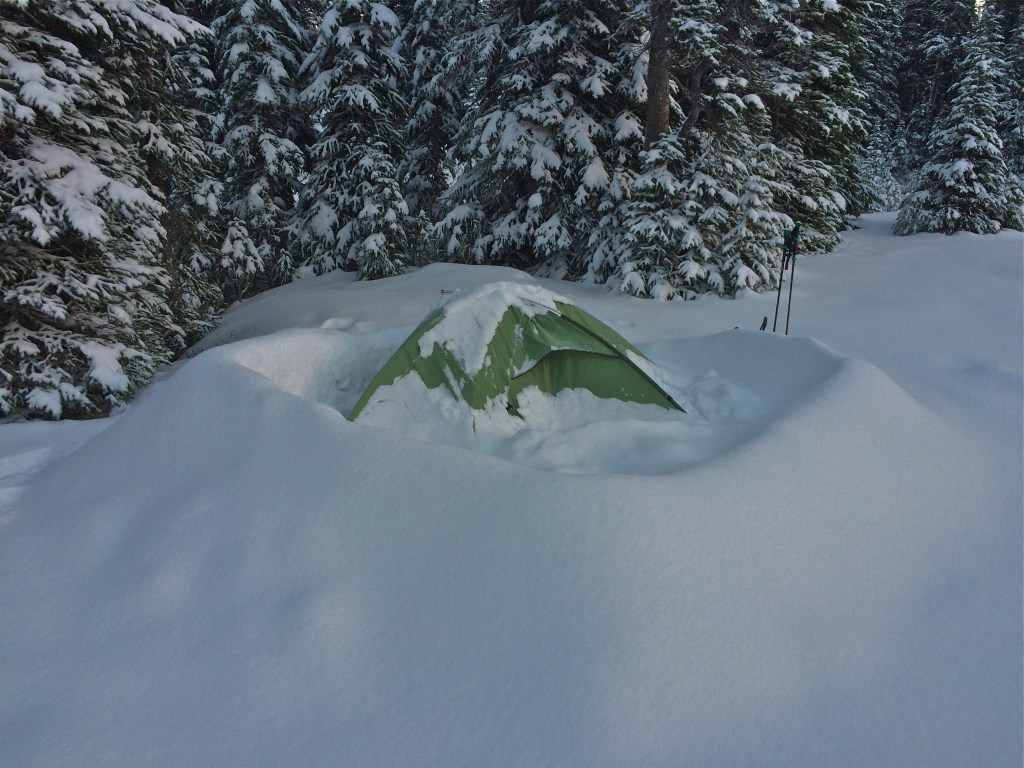
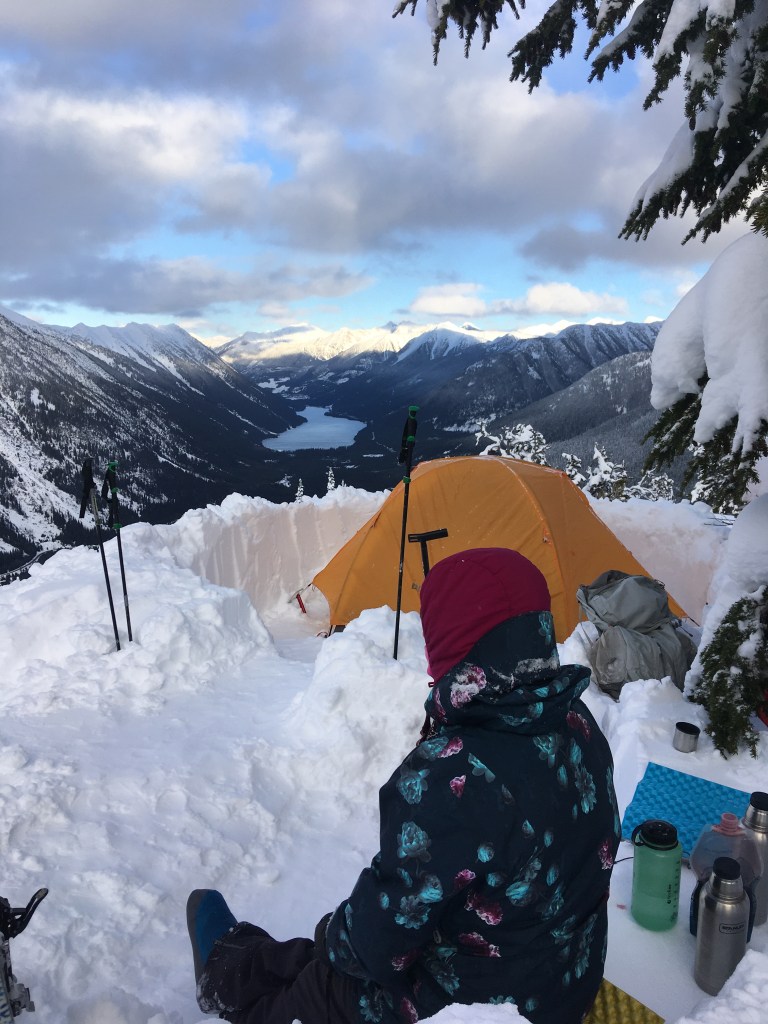
Shelter from the wind is paramount when choosing location. Natural features like a tree island or choosing a leeward slope will help. “Digging in” can further this advantage and consistent wind direction may allow you to skimp on the leeward side…until the wind shifts. Traditional tent pegs are often insufficient. Accessory chord can enable you to secure a fly to a tree or buried object. Poles, ice axes or shovels are more handy anchors.
Booties are another solid luxury which can help you get out of your bulky footwear, be worn in bed, and pack down to nothing. Complimenting this with designated clothes for camp can keep you dry and comfortable when shredding is done. Factor in that seat pad you remembered to bring with a warm beverage and you’ll be cozy in your home ready for the sunset.
Keep stoking the fire!
 Stoking the fire